

Can a 100w CO2 Laser Engraver Engrave on Rubber?
As a supplier of 100w CO2 laser engravers, I often receive inquiries about the capabilities of our machines, especially regarding their ability to engrave on various materials. One question that comes up frequently is whether a 100w CO2 laser engraver can engrave on rubber. In this blog post, I will explore this topic in detail and provide you with the information you need to make an informed decision.
Understanding CO2 Laser Engraving
Before we delve into the specifics of engraving on rubber, let's first understand how CO2 laser engraving works. A CO2 laser engraver uses a high-powered laser beam to remove material from the surface of an object, creating a permanent mark or design. The laser beam is generated by a CO2 gas mixture and is focused onto the material using a series of mirrors and lenses.
The power of the laser beam is measured in watts, and the higher the wattage, the more powerful the laser. A 100w CO2 laser engraver is considered to be a medium to high-powered machine, capable of engraving on a wide range of materials, including wood, acrylic, glass, and metal.
Engraving on Rubber
Rubber is a unique material that presents some challenges when it comes to laser engraving. Unlike other materials, rubber is a soft and flexible material that can easily melt or burn when exposed to high temperatures. This means that the laser settings need to be carefully adjusted to ensure that the rubber is engraved without causing any damage.
In general, a 100w CO2 laser engraver can engrave on rubber, but the results will depend on several factors, including the type of rubber, the thickness of the rubber, and the desired depth of the engraving.
Type of Rubber
There are several types of rubber, each with its own unique properties and characteristics. Some types of rubber, such as natural rubber and neoprene, are more heat-resistant than others and can withstand higher laser temperatures without melting or burning. Other types of rubber, such as silicone rubber, are more sensitive to heat and require lower laser settings to avoid damage.
Thickness of the Rubber
The thickness of the rubber also plays a role in the engraving process. Thicker rubber requires more power to engrave, as the laser needs to penetrate deeper into the material. However, too much power can cause the rubber to melt or burn, so it's important to find the right balance.
Desired Depth of the Engraving
The desired depth of the engraving will also affect the laser settings. A shallow engraving can be achieved with lower power and faster speed, while a deeper engraving will require higher power and slower speed.
Tips for Engraving on Rubber
If you're planning to engrave on rubber using a 100w CO2 laser engraver, here are some tips to help you achieve the best results:
Test the Material
Before engraving on a large piece of rubber, it's a good idea to test the material on a small scrap piece first. This will allow you to adjust the laser settings and ensure that the rubber is engraved without causing any damage.
Use the Right Laser Settings
As mentioned earlier, the laser settings need to be carefully adjusted to ensure that the rubber is engraved without causing any damage. In general, a lower power and faster speed are recommended for engraving on rubber. You may also need to adjust the focus of the laser to ensure that the beam is concentrated on the surface of the rubber.
Use a Cooling System
To prevent the rubber from melting or burning, it's a good idea to use a cooling system, such as a fan or a water cooler, to keep the material cool during the engraving process.

Clean the Engraved Surface
After engraving, it's important to clean the engraved surface to remove any debris or residue. You can use a soft brush or a cloth to gently clean the surface.
Applications of Rubber Engraving
Rubber engraving has a wide range of applications, including:
Industrial Marking
Rubber is commonly used in industrial applications, such as automotive parts, electrical components, and machinery. Laser engraving can be used to mark these parts with serial numbers, logos, and other information, making it easy to identify and track them.
Signage and Display
Rubber is also a popular material for signage and display applications. Laser engraving can be used to create custom signs, labels, and displays with high precision and detail.
Art and Crafts
Rubber engraving is also a popular technique in art and crafts. Laser engraving can be used to create unique designs and patterns on rubber stamps, jewelry, and other decorative items.
Conclusion
In conclusion, a 100w CO2 laser engraver can engrave on rubber, but the results will depend on several factors, including the type of rubber, the thickness of the rubber, and the desired depth of the engraving. By following the tips outlined in this blog post, you can achieve high-quality rubber engravings with your 100w CO2 laser engraver.
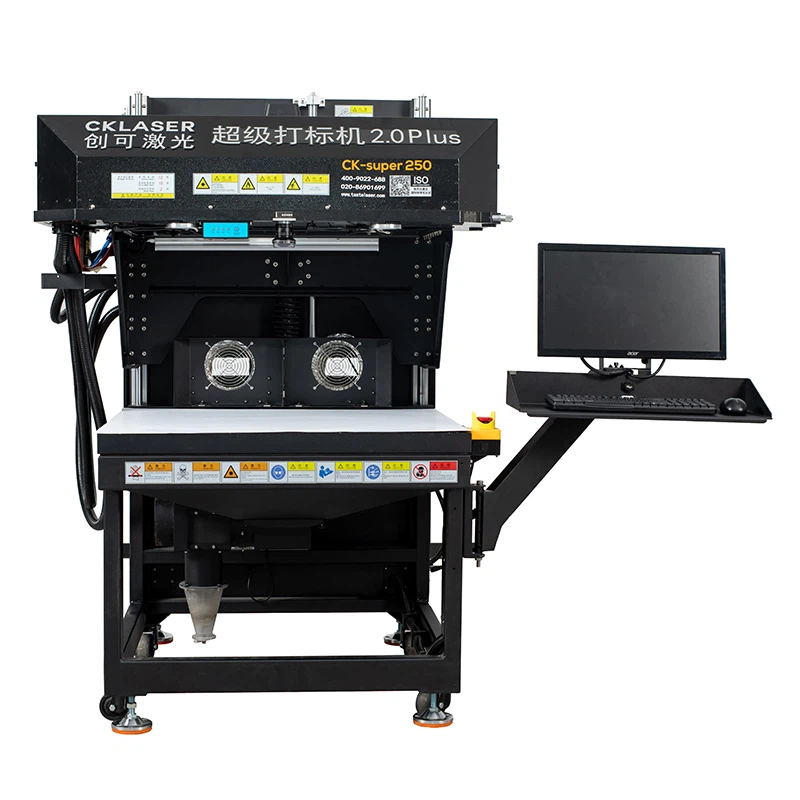
If you're interested in purchasing a 100w CO2 laser engraver for rubber engraving or other applications, please feel free to contact us for more information. We offer a wide range of CKLASER Laser Marking Machine For Heat Transfer Vinly Engraving and Cutting, including Heat Transfer Vinyl Laser Marking Machine and HTV Vinyl Cutter, and our team of experts will be happy to help you find the right machine for your needs.
References
- Laser Engraving and Cutting Handbook
- Rubber Technology and Manufacturing
- Industrial Laser Applications