

As a supplier of CO2 laser engraving cutting machines, I often get asked about the machine's capabilities, especially when it comes to engraving on different materials. One question that frequently pops up is, "Can a CO2 laser engraving cutting machine engrave on ceramic?" In this blog post, I'll delve into this topic, exploring the feasibility, process, and considerations of using a CO2 laser machine for ceramic engraving.
Understanding CO2 Laser Engraving Cutting Machines
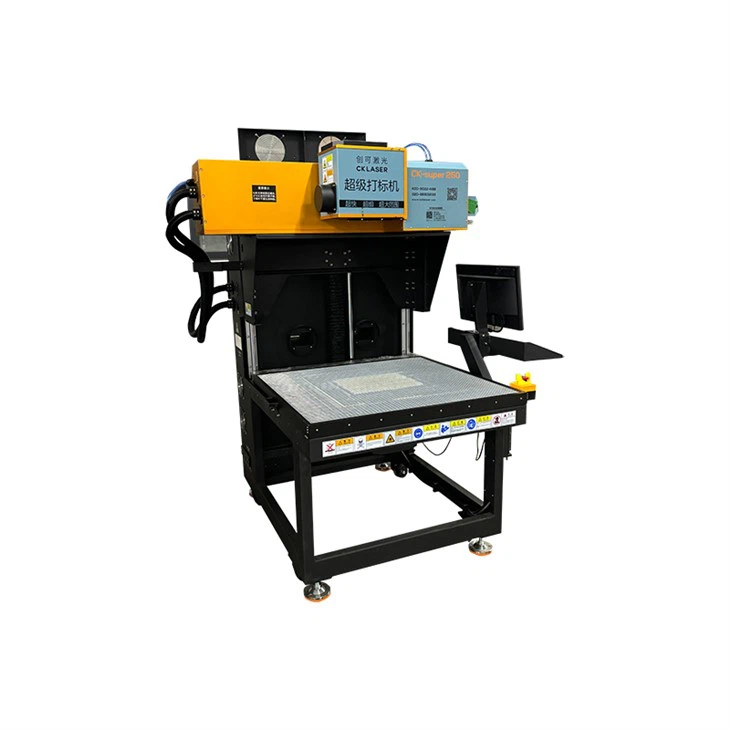
Before we dive into the specifics of ceramic engraving, let's first understand how CO2 laser engraving cutting machines work. These machines use a high - intensity beam of light generated by a CO2 laser tube. The laser beam is focused onto the surface of the material, where it heats and vaporizes the material, creating a permanent mark or cut.
CO2 lasers are known for their versatility and are commonly used for engraving and cutting a wide range of materials, including wood, acrylic, leather, and fabric. They offer high precision, clean cuts, and the ability to create detailed designs. For example, a laser on wood engraving can produce intricate patterns and designs on wooden surfaces, adding a unique touch to wooden products.
Can a CO2 Laser Engraving Cutting Machine Engrave on Ceramic?
The short answer is yes, a CO2 laser engraving cutting machine can engrave on ceramic. However, there are several factors to consider.

1. Material Composition
Ceramics are made from a variety of materials, including clay, feldspar, and quartz. The composition of the ceramic can affect how it responds to the laser. For instance, some ceramics may have a glaze on the surface. The glaze can act as a protective layer and may require a different laser setting compared to unglazed ceramics.
2. Laser Power
The power of the CO2 laser is crucial for successful ceramic engraving. Higher power lasers can penetrate the ceramic surface more effectively, but they also increase the risk of cracking or damaging the ceramic. A lower power laser may be sufficient for surface engraving on softer ceramics or for creating lighter marks, while harder ceramics may require a more powerful laser.
3. Design Complexity
The complexity of the design also plays a role. Simple designs with large areas can be engraved more quickly and easily than highly detailed designs. The laser machine needs to be programmed correctly to ensure that the design is engraved accurately.
The Process of Engraving Ceramic with a CO2 Laser
If you decide to engrave ceramic with a CO2 laser, here is a general process:
1. Preparation
First, clean the ceramic surface thoroughly to remove any dirt, dust, or grease. This ensures that the laser can interact with the surface evenly. Then, place the ceramic on the laser engraving table and secure it properly to prevent movement during the engraving process.
2. Design Setup
Use design software to create or import the design you want to engrave. Adjust the settings such as the size, orientation, and resolution of the design according to your requirements. You may also need to set the laser parameters, including power, speed, and frequency.
3. Test Engraving
Before starting the full - scale engraving, it's advisable to do a test engraving on a small, inconspicuous area of the ceramic. This allows you to check the laser settings and make any necessary adjustments. You can observe the depth, clarity, and quality of the engraving and modify the parameters accordingly.
4. Engraving
Once you are satisfied with the test engraving, start the full - scale engraving process. The laser will follow the programmed design and engrave it onto the ceramic surface. During the engraving, it's important to monitor the process to ensure everything is going smoothly.
Advantages of Using a CO2 Laser for Ceramic Engraving
There are several advantages to using a CO2 laser for ceramic engraving:
1. Precision
CO2 lasers can achieve high levels of precision, allowing for the creation of detailed and accurate designs. This is especially useful for creating personalized or custom - made ceramic products.
2. Non - Contact Process
Laser engraving is a non - contact process, which means there is no physical pressure on the ceramic. This reduces the risk of damage to the ceramic, especially for delicate or thin - walled pieces.
3. Versatility
A CO2 laser engraving cutting machine can be used for a variety of ceramic products, including tiles, mugs, vases, and decorative items. It can also be used to engrave different types of designs, from simple text to complex graphics.
Applications of CO2 Laser Engraving on Ceramic
The ability to engrave ceramic with a CO2 laser opens up a wide range of applications:
1. Personalized Gifts
You can create personalized ceramic gifts such as engraved mugs, photo frames, or ornaments. These make unique and meaningful presents for special occasions.
2. Interior Decoration
Engraved ceramic tiles can be used for interior decoration, adding a touch of elegance and creativity to homes, offices, or commercial spaces.
3. Industrial Marking
In the industrial sector, CO2 laser engraving can be used to mark ceramic components with serial numbers, logos, or other identification information.
Considerations and Limitations
While CO2 laser engraving on ceramic has many benefits, there are also some limitations:
1. Cracking and Chipping
As mentioned earlier, there is a risk of cracking or chipping, especially when using a high - power laser or engraving on brittle ceramics. This can be minimized by using the appropriate laser settings and pre - treating the ceramic if necessary.
2. Color and Appearance
The color and appearance of the engraved area may vary depending on the ceramic material and the laser settings. Some ceramics may change color slightly during the engraving process, which may or may not be desirable depending on the application.
3. Cost
The cost of a CO2 laser engraving cutting machine can be relatively high, especially for machines with higher power and advanced features. Additionally, there may be ongoing costs for maintenance, consumables, and electricity.
Other Materials Suitable for CO2 Laser Engraving Cutting Machines
Apart from ceramic, CO2 laser engraving cutting machines can be used on a wide range of other materials. For example, the Garment Accessories Laser Marking Machine is specifically designed for marking garment accessories. It can create precise and long - lasting marks on materials such as buttons, zippers, and labels.
The Roll to Roll Fabrics Laser Marker is another great application. It can engrave and cut fabrics in a roll - to - roll process, which is highly efficient for textile manufacturers. This machine can be used to create patterns, designs, and even cut fabric pieces accurately.
Conclusion
In conclusion, a CO2 laser engraving cutting machine can indeed engrave on ceramic. It offers a precise, non - contact, and versatile method for creating unique and detailed designs on ceramic products. However, it's important to consider the material composition, laser power, and design complexity when engraving ceramic. By following the proper process and taking the necessary precautions, you can achieve excellent results.
If you are interested in exploring the possibilities of using a CO2 laser engraving cutting machine for your ceramic engraving needs or for engraving other materials, feel free to contact us for more information. We are here to help you choose the right machine and provide you with the support you need to start your engraving projects.
References
- "Laser Processing of Ceramics" by various authors in the Journal of Laser Applications.
- Manufacturer's manuals of CO2 laser engraving cutting machines.