

As a supplier of galvanometer laser engravers, one question I'm frequently asked is whether our machines can engrave on ceramics. This is a valid query, considering the unique properties of ceramics and the growing demand for personalized ceramic products. In this blog post, I'll delve into the technical aspects of using a galvanometer laser engraver on ceramics, the advantages and challenges, and some practical tips for achieving the best results.
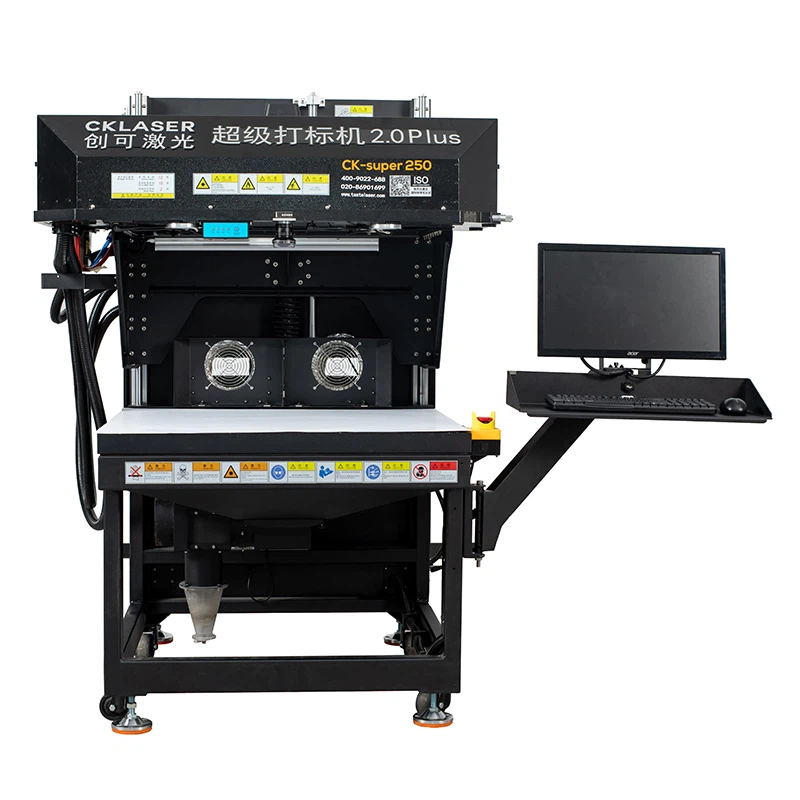

How Galvanometer Laser Engravers Work
Before we discuss engraving on ceramics, it's essential to understand how galvanometer laser engravers function. These machines use high - speed galvanometer scanners to direct a laser beam across the surface of a material. The galvanometers are essentially mirrors that can be rapidly rotated to control the path of the laser, allowing for precise and detailed engraving. The laser beam is generated by a laser source, which can be a CO2 laser, fiber laser, or other types.
The key advantage of a galvanometer laser engraver is its speed and accuracy. It can create intricate designs with high resolution in a relatively short time compared to other engraving methods. This makes it an ideal choice for mass production as well as custom - made products.
Can Galvanometer Laser Engravers Engrave on Ceramics?
The short answer is yes, a galvanometer laser engraver can engrave on ceramics. However, there are several factors to consider.
Material Composition
Ceramics come in various types, including porcelain, earthenware, and stoneware. Each type has a different composition, which affects how it responds to the laser. Porcelain, for example, is a dense and hard ceramic that can withstand higher laser power without cracking. Earthenware, on the other hand, is more porous and may require a lower laser power to avoid damage.
Laser Type
The type of laser used in the galvanometer laser engraver also plays a crucial role. CO2 lasers are commonly used for ceramic engraving because they have a wavelength that is well - absorbed by ceramics. The laser energy is converted into heat, which vaporizes the ceramic material, creating the engraved pattern. Fiber lasers, while more powerful in some applications, are not as effective for ceramics because their wavelength is not as well - absorbed.
Advantages of Using a Galvanometer Laser Engraver on Ceramics
- Precision: Galvanometer laser engravers can create highly detailed and accurate designs. Whether it's a fine line pattern, a complex logo, or a detailed portrait, the laser can reproduce it with great precision on the ceramic surface.
- Speed: As mentioned earlier, these machines can engrave at high speeds, making them suitable for large - scale production. This is especially important for businesses that need to meet tight deadlines.
- Non - Contact Process: Laser engraving is a non - contact process, which means there is no physical pressure on the ceramic. This reduces the risk of cracking or chipping, especially for delicate ceramic pieces.
Challenges of Using a Galvanometer Laser Engraver on Ceramics
- Cracking and Chipping: If the laser power is too high or the engraving speed is too slow, the ceramic may crack or chip. This is because the rapid heating and cooling caused by the laser can create thermal stress in the material.
- Color Change: Laser engraving on ceramics can sometimes cause a color change in the engraved area. This may be desirable in some cases, but it can also be a problem if you need to maintain the original color of the ceramic.
- Surface Preparation: The ceramic surface needs to be clean and smooth for optimal engraving results. Any dirt, grease, or unevenness can affect the quality of the engraving.
Tips for Engraving Ceramics with a Galvanometer Laser Engraver
- Test on a Scrap Piece: Before engraving on the final ceramic piece, it's a good idea to test the laser settings on a scrap piece of the same type of ceramic. This will help you determine the optimal laser power, speed, and frequency for the best results.
- Use Proper Ventilation: Laser engraving on ceramics produces fumes and dust, which can be harmful if inhaled. Make sure to use proper ventilation in your workspace to remove these pollutants.
- Adjust the Focus: The focus of the laser beam is critical for achieving a clear and sharp engraving. Make sure to adjust the focus according to the thickness of the ceramic.
Applications of Galvanometer Laser Engraving on Ceramics
- Decorative Items: Galvanometer laser engravers can be used to create beautiful decorative items such as vases, bowls, and tiles. You can engrave patterns, images, or text to add a personal touch to these items.
- Industrial Components: In the industrial sector, laser - engraved ceramics are used for various applications, such as in electronic components, where precise markings are required for identification and functionality.
- Personalized Gifts: With the ability to create custom designs, galvanometer laser - engraved ceramics make excellent personalized gifts. You can engrave names, dates, or special messages on mugs, plates, or other ceramic items.
Our Galvanometer Laser Engraver Product Range
We offer a wide range of galvanometer laser engravers suitable for ceramic engraving. Our machines are equipped with high - quality components and advanced control systems to ensure accurate and efficient engraving.
If you are also interested in other applications of laser engraving, we have related products as well. For example, our Heat Transfer Vinyl Laser Marking Machine is perfect for cutting and marking heat transfer vinyl for T - shirts and other garments. Our Laser Engraver For Leather Engraving Or Leather Etching can create stunning designs on leather products. And our Garment Laser Burning Machine is ideal for creating unique patterns on denim and other fabrics.
Conclusion
In conclusion, a galvanometer laser engraver can effectively engrave on ceramics, offering precision, speed, and a non - contact process. However, it's important to consider the material composition, laser type, and other factors to achieve the best results. With the right settings and techniques, you can create high - quality engraved ceramic products for various applications.
If you are interested in purchasing a galvanometer laser engraver for ceramic engraving or any of our other laser engraving products, please feel free to contact us for more information and to discuss your specific requirements. We are committed to providing you with the best solutions for your engraving needs.
References
- "Laser Materials Processing" by John C. Ion
- "Ceramics: Science and Technology" by R. W. Cahn, P. Haasen, and E. J. Kramer