

As a seasoned provider of heat transfer vinyl cutters, I often encounter inquiries regarding the machine's capabilities, especially about its suitability for cutting on flexible surfaces. This blog post aims to delve into the topic, providing a comprehensive analysis of whether a heat transfer vinyl cutter can effectively cut on flexible materials.
Understanding Heat Transfer Vinyl Cutters
Before we explore the cutting on flexible surfaces, let's first understand what a heat transfer vinyl cutter is. A heat transfer vinyl cutter is a precision tool designed to cut various shapes and designs from heat transfer vinyl sheets. These machines use a sharp blade to trace the desired pattern onto the vinyl, which can then be transferred onto a substrate using heat and pressure. Heat transfer vinyl cutters come in different sizes and configurations, ranging from desktop models suitable for small - scale projects to industrial - grade machines capable of high - volume production.
Characteristics of Flexible Surfaces
Flexible surfaces encompass a wide range of materials, such as fabrics (cotton, polyester, nylon), leather, rubber, and thin plastics. These materials share common characteristics, including the ability to bend, stretch, and conform to different shapes without breaking. The flexibility of these surfaces can pose challenges when it comes to cutting, as the material may move or deform during the cutting process, leading to inaccurate cuts or blade damage.
Can a Heat Transfer Vinyl Cutter Cut on a Flexible Surface?
The short answer is yes, a heat transfer vinyl cutter can cut on flexible surfaces, but with certain considerations. Here are the factors that determine the success of cutting on flexible materials:
1. Blade Selection
The choice of blade is crucial when cutting on flexible surfaces. A sharp and appropriate blade is required to ensure clean and precise cuts. For softer and more delicate flexible materials, a fine - tipped blade may be necessary to prevent the material from tearing or fraying. On the other hand, for thicker and more durable flexible materials, a stronger blade with a greater cutting depth may be needed.
2. Cutting Pressure
Adjusting the cutting pressure is essential to achieve optimal results on flexible surfaces. Too much pressure can cause the material to deform or be pushed out of place, while too little pressure may result in incomplete cuts. Most modern heat transfer vinyl cutters allow users to adjust the cutting pressure according to the type and thickness of the material.
3. Cutting Speed
The cutting speed also plays a significant role in cutting on flexible surfaces. A slower cutting speed can help reduce the chances of the material moving or stretching during the cutting process, resulting in more accurate cuts. However, cutting too slowly can be time - consuming, especially for large - scale projects.
4. Material Fixation
To prevent the flexible material from moving during cutting, proper fixation is necessary. This can be achieved using methods such as using a sticky cutting mat or applying masking tape around the edges of the material. Some heat transfer vinyl cutters also come with built - in clamping mechanisms to hold the material in place.
Advantages of Cutting on Flexible Surfaces with a Heat Transfer Vinyl Cutter
There are several advantages to using a heat transfer vinyl cutter on flexible surfaces:

1. Customization
Heat transfer vinyl cutters allow for high - level customization on flexible materials. You can create unique designs, logos, and patterns that can be transferred onto garments, bags, and other flexible items, adding a personalized touch.
2. Durability
The heat - transferred vinyl adheres well to flexible surfaces, providing a durable and long - lasting finish. The vinyl is resistant to washing, fading, and wear, making it suitable for both personal and commercial applications.
3. Cost - effectiveness
Compared to other printing or embroidery methods, using a heat transfer vinyl cutter is relatively cost - effective, especially for small - to - medium - scale production. You can produce high - quality custom items without the need for expensive equipment or large - scale production facilities.
Applications of Heat Transfer Vinyl Cutting on Flexible Surfaces
The ability to cut on flexible surfaces opens up a wide range of applications for heat transfer vinyl cutters:
1. Apparel Decoration
One of the most common applications is apparel decoration. You can cut vinyl designs and transfer them onto t - shirts, hoodies, hats, and other clothing items. This is a popular method for creating custom team uniforms, promotional apparel, and personalized gifts [1].
2. Home Decor
Heat transfer vinyl can also be used to decorate home decor items such as pillows, curtains, and tablecloths. You can add decorative elements like monograms, patterns, or quotes to enhance the aesthetic appeal of your home.
3. Accessories
Accessories like bags, wallets, and phone cases can be customized using heat transfer vinyl. You can create unique designs that make your accessories stand out from the crowd.
Related Products for Enhanced Customization
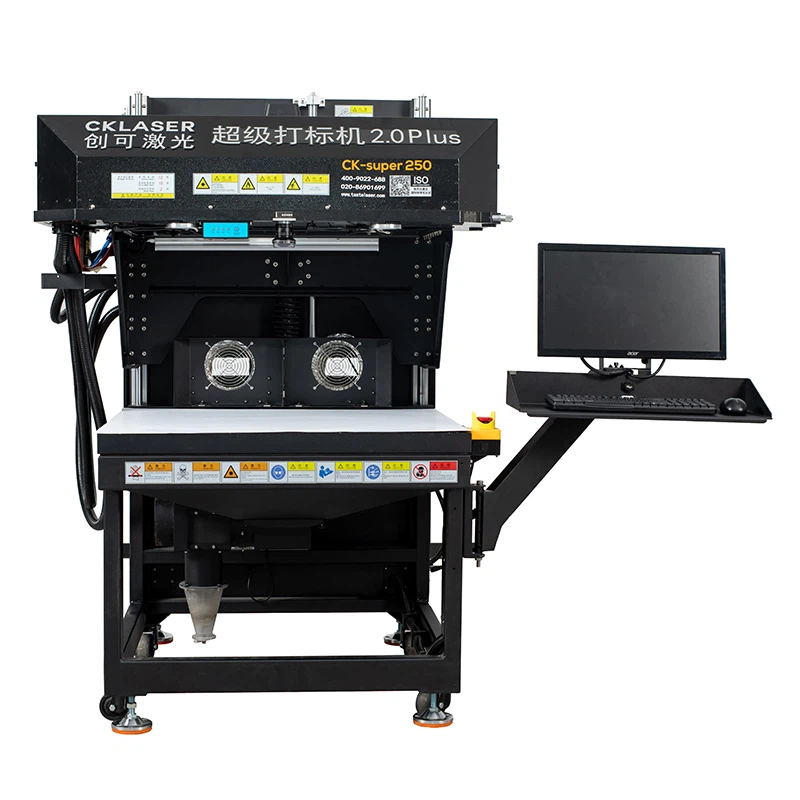
In addition to heat transfer vinyl cutters, there are other products that can complement your customization process. For example, the Garment Laser Burning Machine can be used to create unique burned or engraved effects on denim and other fabrics. The Co2 Laser Engraving Machine offers high - precision engraving on a variety of materials, including wood, acrylic, and leather. And the Heat Transfer Vinyl Laser Marking Machine provides an alternative way to mark and cut heat transfer vinyl with high accuracy.
Conclusion
In conclusion, a heat transfer vinyl cutter can effectively cut on flexible surfaces when the right blade, cutting pressure, speed, and fixation methods are used. The ability to cut on flexible materials offers numerous advantages, including customization, durability, and cost - effectiveness. Whether you are a hobbyist looking to create personalized items or a business owner seeking to expand your product offerings, a heat transfer vinyl cutter can be a valuable tool in your arsenal.
If you are interested in learning more about our heat transfer vinyl cutters or other related products, we encourage you to contact us for a detailed discussion. Our team of experts is ready to assist you in finding the best solution for your specific needs and provide you with all the information you need to make an informed purchasing decision.
References
[1] Smith, J. (2020). The Art of Apparel Decoration. New York: Fashion Press.