

As a heat transfer vinyl cutter supplier, one question I'm frequently asked is, "Can a heat transfer vinyl cutter cut stretch vinyl?" This is a valid query, especially for those in the custom apparel and signage industries. In this blog, we'll explore the capabilities of heat transfer vinyl cutters when it comes to cutting stretch vinyl, delving into the technical aspects, best practices, and limitations.
Understanding Heat Transfer Vinyl Cutters
Heat transfer vinyl cutters are precision machines designed to cut various types of vinyl materials. They use a sharp blade to trace a design onto the vinyl, which can then be transferred onto a substrate, such as fabric or wood, using heat and pressure. These cutters come in different sizes and capabilities, from small desktop models for hobbyists to large industrial machines for high-volume production.
What is Stretch Vinyl?
Stretch vinyl, also known as stretchable heat transfer vinyl, is a type of vinyl that has elastic properties. It can stretch and recover its shape without losing its design or adhesion. This makes it ideal for applications where flexibility is required, such as sportswear, dance costumes, and other form-fitting garments. Stretch vinyl is available in a variety of colors and finishes, including matte, gloss, and glitter.
Can a Heat Transfer Vinyl Cutter Cut Stretch Vinyl?
The short answer is yes, a heat transfer vinyl cutter can cut stretch vinyl. However, there are several factors to consider to ensure a successful cut.
Blade Selection
The blade is a crucial component of a heat transfer vinyl cutter. For cutting stretch vinyl, a sharp and durable blade is essential. A blade that is too dull may not cut through the vinyl cleanly, resulting in jagged edges or incomplete cuts. On the other hand, a blade that is too sharp may cause the vinyl to tear or stretch during the cutting process. It's important to choose a blade that is specifically designed for cutting stretch vinyl.
Cutting Pressure
The cutting pressure of the vinyl cutter needs to be adjusted according to the thickness and type of stretch vinyl. If the pressure is too low, the blade may not cut through the vinyl completely. If the pressure is too high, it can cause the vinyl to deform or damage the cutter. Most modern vinyl cutters allow you to adjust the cutting pressure easily, so it's important to test different settings on a scrap piece of vinyl before cutting your final design.
Cutting Speed
The cutting speed also plays a role in cutting stretch vinyl. A slower cutting speed can help prevent the vinyl from stretching or tearing. However, if the speed is too slow, it can increase the cutting time and may cause the blade to overheat. It's recommended to start with a slower speed and gradually increase it as you gain more experience with the specific type of stretch vinyl you are using.
Best Practices for Cutting Stretch Vinyl
To achieve the best results when cutting stretch vinyl with a heat transfer vinyl cutter, here are some best practices to follow:
Prepare the Vinyl
Before cutting, make sure the stretch vinyl is clean and free of any dust or debris. You can use a lint roller or a clean cloth to remove any particles from the surface. This will help ensure a smooth and clean cut.
Use a Cutting Mat
A cutting mat provides a stable surface for the vinyl and helps protect the blade of the cutter. Make sure the mat is clean and in good condition. You can also use a sticky cutting mat to hold the vinyl in place during the cutting process.
Test the Design
Before cutting your final design, it's a good idea to test it on a small piece of scrap vinyl. This will allow you to adjust the cutting settings, such as the blade depth, pressure, and speed, to ensure a perfect cut. You can also check for any potential issues, such as the design not fitting properly or the vinyl stretching during the cutting process.
Weed the Design
After cutting the design, you need to remove the excess vinyl, a process known as weeding. Use a weeding tool, such as a pair of tweezers or a weeding hook, to carefully remove the unwanted vinyl. This can be a time-consuming process, but it's essential for a clean and professional-looking final product.
Limitations of Cutting Stretch Vinyl with a Heat Transfer Vinyl Cutter
While heat transfer vinyl cutters can cut stretch vinyl, there are some limitations to be aware of.
Complex Designs
Stretch vinyl can be more challenging to cut compared to regular vinyl, especially when it comes to complex designs with fine details. The elastic nature of the vinyl can cause it to stretch or distort during the cutting process, making it difficult to achieve precise cuts. In some cases, it may be necessary to simplify the design or use a different cutting method, such as laser cutting.

Thickness of the Vinyl
The thickness of the stretch vinyl can also affect the cutting process. Thicker vinyl may require a higher cutting pressure and a slower cutting speed, which can increase the risk of the vinyl stretching or tearing. It's important to choose a vinyl cutter that is capable of handling the thickness of the vinyl you are using.
Other Cutting Options for Stretch Vinyl
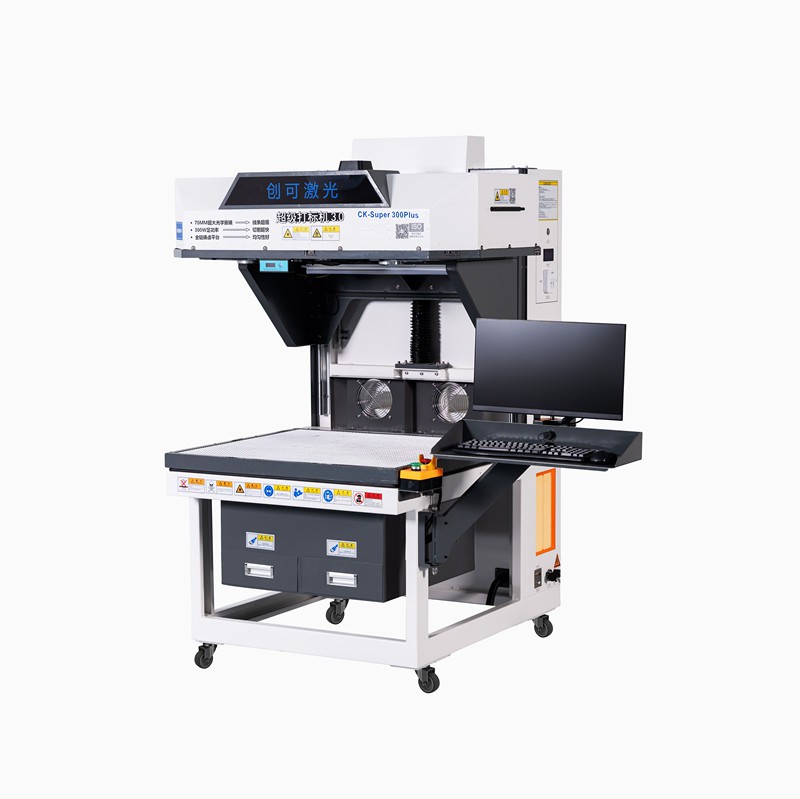
In addition to heat transfer vinyl cutters, there are other cutting options available for stretch vinyl, such as laser cutters. Laser cutters use a high-powered laser beam to cut through the vinyl, providing a precise and clean cut. They are especially useful for cutting complex designs and fine details.
If you're interested in exploring laser cutting options, you can check out our Laser Engraving Machine For Bottles, CKLASER CO2 Laser Machine Leather Engraving Punching Equipment, and Laser engraver printer.
Conclusion
In conclusion, a heat transfer vinyl cutter can cut stretch vinyl, but it requires careful consideration of the blade selection, cutting pressure, and speed. By following the best practices and being aware of the limitations, you can achieve high-quality cuts and create professional-looking products. If you have any questions or need further assistance with cutting stretch vinyl or any other vinyl materials, don't hesitate to contact us. We're here to help you find the best solutions for your cutting needs.
References
- Manufacturer's manuals for heat transfer vinyl cutters
- Industry publications on vinyl cutting and heat transfer processes
- Research on the properties of stretch vinyl and its cutting requirements