

As a supplier of mini fiber laser marking machines, I often encounter inquiries from customers about the machine's capabilities, especially regarding the materials it can mark. One common question is, "Can a mini fiber laser marking machine mark on nylon?" In this blog post, I'll delve into this topic, exploring the technical aspects, practical applications, and considerations when using a mini fiber laser marking machine on nylon.
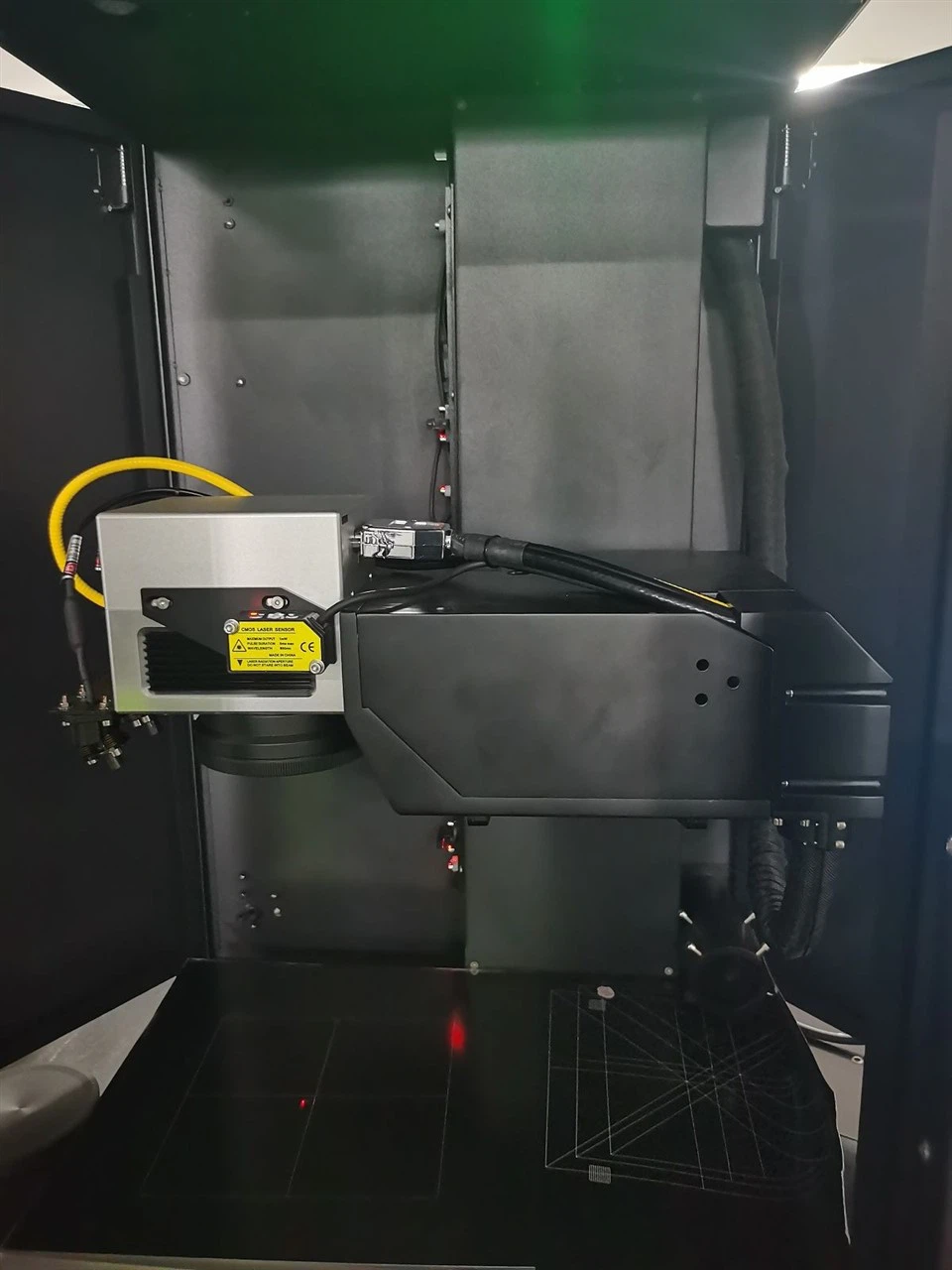

Understanding Mini Fiber Laser Marking Machines
Before we discuss marking nylon, let's briefly understand what a mini fiber laser marking machine is. These machines use a fiber laser source to generate a high - energy laser beam. The laser beam interacts with the surface of the material, causing physical or chemical changes that result in a permanent mark. Mini fiber laser marking machines are compact, energy - efficient, and offer high precision, making them suitable for a wide range of applications, from small - scale manufacturing to jewelry making.
Can a Mini Fiber Laser Marking Machine Mark on Nylon?
The short answer is yes, a mini fiber laser marking machine can mark on nylon. Nylon is a synthetic polymer known for its durability, flexibility, and resistance to abrasion. When a laser beam from a mini fiber laser marking machine hits the nylon surface, it heats the material. This heat causes the nylon to undergo a process called carbonization. During carbonization, the nylon molecules break down, and carbon is left behind, creating a visible mark.
The key to successful marking on nylon lies in adjusting the laser parameters correctly. The power, speed, and frequency of the laser beam need to be optimized to achieve a clear, permanent, and high - quality mark. If the power is too high, it may cause excessive burning or melting of the nylon, resulting in a rough and uneven mark. On the other hand, if the power is too low, the mark may be faint or incomplete.
Advantages of Laser Marking on Nylon
- Permanent Marking: Laser - marked nylon products have a long - lasting mark that won't fade or wear off easily, even under harsh environmental conditions. This is crucial for applications where product identification or branding needs to remain intact over time.
- High Precision: Mini fiber laser marking machines can create extremely detailed and accurate marks. Whether it's a small logo, a serial number, or a complex design, the machine can reproduce it with high fidelity on the nylon surface.
- Non - Contact Process: Laser marking is a non - contact process, which means there is no physical pressure applied to the nylon material. This reduces the risk of damage to the material, especially important for thin or delicate nylon products.
- Versatility: A mini fiber laser marking machine can mark on different types of nylon, including nylon 6, nylon 66, and other nylon blends. It can also be used on nylon products of various shapes and sizes, from flat sheets to three - dimensional objects.
Practical Applications of Laser Marking on Nylon
- Consumer Goods: In the consumer goods industry, nylon is widely used in products such as backpacks, wallets, and sports equipment. Laser marking can be used to add brand logos, product information, or decorative elements to these items, enhancing their aesthetic appeal and brand recognition.
- Medical Devices: Nylon is used in many medical devices due to its biocompatibility. Laser marking can be used to mark important information such as device serial numbers, manufacturing dates, and usage instructions on nylon medical components, ensuring traceability and compliance.
- Automotive Industry: Nylon parts are commonly used in the automotive industry, such as air intake manifolds and engine covers. Laser marking can be used to mark part numbers, specifications, and assembly instructions on these nylon components, facilitating inventory management and quality control.
Choosing the Right Mini Fiber Laser Marking Machine for Nylon Marking
When selecting a mini fiber laser marking machine for nylon marking, several factors need to be considered:
- Laser Power: For most nylon marking applications, a laser power of 20 - 30 watts is sufficient. However, if you need to mark on thicker or more heat - resistant nylon materials, a higher - power machine may be required. Our Practical 3D Fiber Laser Marker offers adjustable power settings, allowing you to optimize the marking process for different nylon materials.
- Laser Source: The quality of the laser source is crucial for achieving high - quality marks. Our Jpt Fiber Laser is known for its stability, reliability, and long service life, ensuring consistent and clear marks on nylon.
- Marking Area: Consider the size of the nylon products you need to mark. Make sure the marking area of the machine is large enough to accommodate your products. If you need to mark large - scale nylon parts, our 100w Fiber Laser Marking Machine provides a larger marking area and higher power for efficient marking.
Tips for Laser Marking on Nylon
- Surface Preparation: Before marking, it's important to clean the nylon surface to remove any dirt, grease, or contaminants. A clean surface ensures better adhesion of the laser - generated mark.
- Test Runs: Always perform test runs on a small, inconspicuous area of the nylon product before marking the entire surface. This allows you to adjust the laser parameters and ensure that the mark meets your requirements.
- Ventilation: Laser marking on nylon generates fumes, especially during the carbonization process. Adequate ventilation is necessary to remove these fumes and protect the operator's health.
Conclusion
In conclusion, a mini fiber laser marking machine is a viable solution for marking on nylon. With the right machine, proper adjustment of laser parameters, and appropriate surface preparation, you can achieve high - quality, permanent marks on nylon products. Whether you're in the consumer goods, medical, or automotive industry, laser marking on nylon can enhance your product's identification, branding, and overall quality.
If you're interested in exploring the possibilities of laser marking on nylon or other materials, I encourage you to reach out to us. Our team of experts can provide you with detailed information, technical support, and guidance on choosing the right mini fiber laser marking machine for your specific needs. Contact us today to start a discussion about your procurement requirements and take your product marking to the next level.
References
- "Laser Materials Processing" by G. Chryssolouris.
- "Introduction to Polymer Science and Technology" by Leonardus A. Utracki and R. A. Weiss.