

Hey there! As a supplier of laser etching machines for fabric, I've seen firsthand how the laser power of these machines can make or break the etching results. In this blog post, I'm gonna share with you all the ins and outs of how laser power affects the outcome of fabric etching.

Basics of Laser Etching on Fabric
Before we dive into the role of laser power, let's quickly go over how laser etching on fabric works. A laser etching machine uses a high - intensity laser beam to remove or alter the surface of the fabric. This process can create detailed designs, patterns, or markings on all sorts of fabrics, from cotton to silk.
How Laser Power Affects the Etching Depth
One of the most obvious ways laser power impacts the result is through the etching depth. Higher laser power generally means a deeper etch. When you crank up the power, the laser beam can penetrate the fabric more effectively, removing more fibers and creating a more pronounced mark.
For example, if you're working with a thick, heavy - duty fabric like denim, you'll probably need a higher laser power to get a clear and deep etch. On the other hand, for delicate fabrics such as chiffon, too much power can burn through the material, leaving holes instead of a nice design. You can check out our Co2 Laser Engraving Machine which offers adjustable laser power settings, allowing you to customize the etching depth according to the fabric type.
Impact on Etching Speed
Laser power also has a significant effect on the etching speed. A more powerful laser can etch a design much faster than a less powerful one. This is because the high - energy laser beam can remove the fabric fibers more quickly.
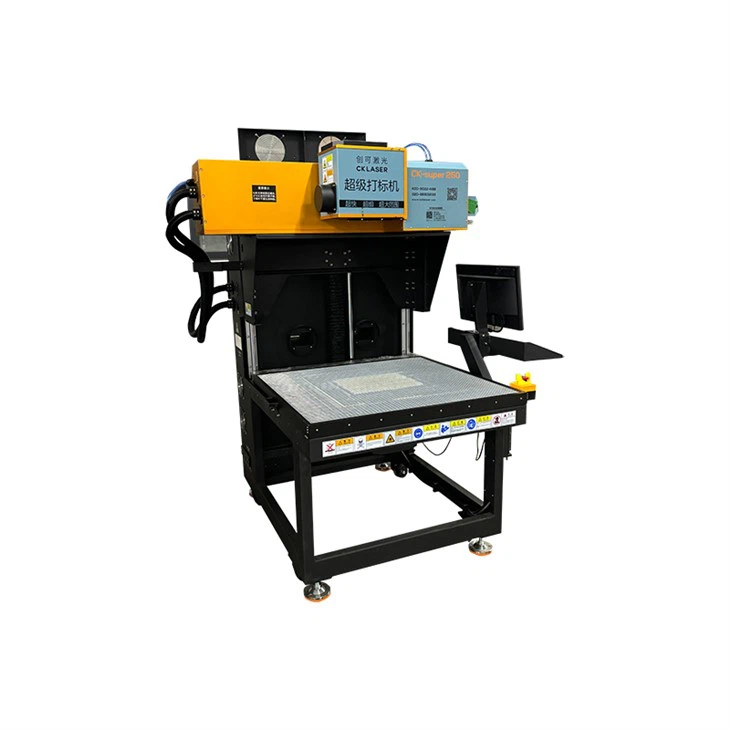
If you're running a large - scale fabric production business, speed is crucial. You'll want to use a machine with sufficient laser power to meet your production demands. Our CKLASER Metal Laser Tube CO2 Galvo Laser Marking Machine is designed to offer high - power laser etching, enabling you to etch fabrics at a rapid pace without compromising on quality.
Quality of the Etched Design
The quality of the etched design is another area where laser power plays a key role. When the laser power is just right, you can achieve a clean, sharp, and detailed design. However, if the power is too low, the design may appear faint, blurry, or incomplete. The laser might not be able to fully remove the fabric fibers, resulting in a lackluster mark.
Conversely, excessive laser power can lead to charring and discoloration around the edges of the design. This not only looks bad but can also weaken the fabric in those areas. It's all about finding that sweet spot of laser power for each specific fabric and design.
Color and Contrast
Laser power can also influence the color and contrast of the etched design on the fabric. A higher laser power can sometimes change the color of the fabric in the etched area. For instance, it might cause the fabric to darken or take on a different hue.
This can be used to your advantage if you're going for a certain aesthetic. You can create designs with high contrast by using different laser powers in different parts of the design. For example, you could use a lower power for the lighter parts of the design and a higher power for the darker, more prominent areas.
Choosing the Right Laser Power for Different Fabrics
As I mentioned earlier, different fabrics require different laser powers. Here's a quick rundown:
- Cotton: Cotton is a versatile fabric that can handle a wide range of laser powers. For light - weight cotton, a medium laser power should be sufficient to create a clear design. For heavier cotton fabrics like canvas, you may need a higher power.
- Silk: Silk is a delicate fabric, so you need to be extra careful with the laser power. A low to medium power is usually best to avoid burning or damaging the silk.
- Polyester: Polyester can withstand relatively high laser powers. However, be aware that high power might cause the polyester to melt, so it's important to test the power settings first.
Testing and Calibration
Before you start a large - scale fabric etching project, it's always a good idea to do some testing. Cut out small samples of the fabric and try different laser powers on them. This will help you determine the optimal power for the specific fabric and design you're working with.
Most of our laser etching machines come with calibration features that allow you to fine - tune the laser power. This ensures that you get consistent results every time.
The Importance of Safety
When working with high - power laser etching machines, safety is of utmost importance. High - power lasers can be dangerous if not handled properly. Make sure you follow all the safety guidelines provided with the machine. Wear appropriate protective gear, such as goggles, and keep the work area well - ventilated to avoid inhaling any fumes produced during the etching process.
Conclusion
In conclusion, the laser power of a fabric laser etching machine has a profound impact on the etching results. It affects the depth, speed, quality, color, and contrast of the designs. As a fabric laser etching machine supplier, we offer a range of machines with adjustable laser power settings to meet your diverse needs.
Whether you're a small - scale designer or a large - scale fabric manufacturer, choosing the right laser power for your fabric is crucial. If you're interested in learning more about our laser etching machines or have any questions about laser power and fabric etching, feel free to reach out. We're here to help you make the most of your fabric etching projects.
References
- Laser Etching Technology Handbook
- Textile Science and Technology Journals
So, what are you waiting for? Contact us today to discuss your fabric laser etching requirements and let's start creating amazing designs together!