

Can a CO2 Laser Engraver Engrave on Bamboo?
As a supplier of CO2 laser engravers, I often get asked about the versatility of our machines, especially when it comes to different materials. One common question is whether a CO2 laser engraver can engrave on bamboo. The answer is a resounding yes, and in this blog, I'll delve into the details of how it works, the benefits, and some tips for achieving the best results.
How CO2 Laser Engravers Work on Bamboo
CO2 laser engravers use a high - powered laser beam generated by a CO2 gas mixture. When the laser beam hits the bamboo surface, it heats the material rapidly. The heat causes the bamboo fibers to vaporize or char, depending on the intensity of the laser and the settings used. This process creates a permanent mark on the bamboo, which can range from a light etch to a deep, detailed engraving.
The CO2 laser engraver emits infrared light at a wavelength of around 10.6 micrometers. Bamboo is an organic material that readily absorbs this wavelength of light. When the laser energy is absorbed, it breaks the chemical bonds in the bamboo, leading to the physical changes that result in the engraving.
Benefits of Using a CO2 Laser Engraver on Bamboo
- Precision: CO2 laser engravers offer extremely high precision. They can create intricate designs, fine lines, and detailed patterns on bamboo. Whether you're engraving a simple logo or a complex artistic image, the laser can reproduce it with great accuracy. This precision is especially important for creating high - quality, professional - looking products.
- Versatility: These engravers can work on various types of bamboo, including bamboo sheets, bamboo sticks, and even bamboo furniture. You can engrave on flat surfaces as well as curved ones, making them suitable for a wide range of applications.
- Speed: Compared to traditional engraving methods, CO2 laser engravers are much faster. They can complete an engraving job in a fraction of the time it would take using manual or mechanical methods. This increased speed allows for higher production rates, which is beneficial for businesses that need to produce a large number of engraved bamboo products.
- Non - contact process: The laser engraving process is non - contact, which means there is no physical pressure applied to the bamboo. This reduces the risk of damage to the material, especially for delicate or thin bamboo pieces. It also eliminates the need for any additional tools or fixtures, making the engraving process simpler and more efficient.
Factors to Consider When Engraving Bamboo with a CO2 Laser Engraver
- Laser power: The power of the CO2 laser engraver is an important factor. Higher power lasers can engrave deeper and faster, but they may also cause more charring or burning of the bamboo. For fine details and light engravings, a lower power setting may be more appropriate. It's important to test different power settings on a scrap piece of bamboo to find the optimal one for your specific design and material.
- Engraving speed: The speed at which the laser moves across the bamboo surface also affects the quality of the engraving. A slower speed allows the laser to deliver more energy to the material, resulting in a deeper engraving. However, if the speed is too slow, it can cause excessive charring. On the other hand, a faster speed may result in a lighter, more superficial engraving.
- Focus: Proper focus is crucial for achieving a clear and sharp engraving. The laser beam needs to be focused precisely on the surface of the bamboo. If the focus is off, the engraving may be blurry or uneven. Most CO2 laser engravers have a focusing mechanism that allows you to adjust the distance between the laser head and the bamboo surface.
- Bamboo type and quality: Different types of bamboo have different densities and moisture contents, which can affect the engraving process. For example, bamboo with a higher moisture content may require a lower power setting to prevent excessive charring. It's also important to use high - quality bamboo that is free from defects or knots, as these can cause uneven engraving.
Applications of CO2 Laser Engraved Bamboo
- Decorative items: CO2 laser - engraved bamboo can be used to create beautiful decorative items such as wall art, picture frames, and coasters. The detailed engravings add a unique and artistic touch to these products, making them popular for home decor.
- Promotional products: Bamboo is an eco - friendly material, and laser - engraved bamboo products are often used as promotional items. Companies can engrave their logos, slogans, or contact information on bamboo items such as pens, keychains, and USB drives.
- Furniture: Laser engraving can be used to add decorative elements to bamboo furniture. Whether it's a simple pattern on a chair back or a detailed design on a tabletop, laser - engraved bamboo furniture can enhance the aesthetic appeal of any room.
Our CO2 Laser Engraver Products
We offer a range of CO2 laser engravers that are suitable for engraving on bamboo. Our Large Format CO2 Laser Marker is perfect for large - scale engraving projects. It has a high - power laser and a large working area, allowing you to engrave on large pieces of bamboo with ease.
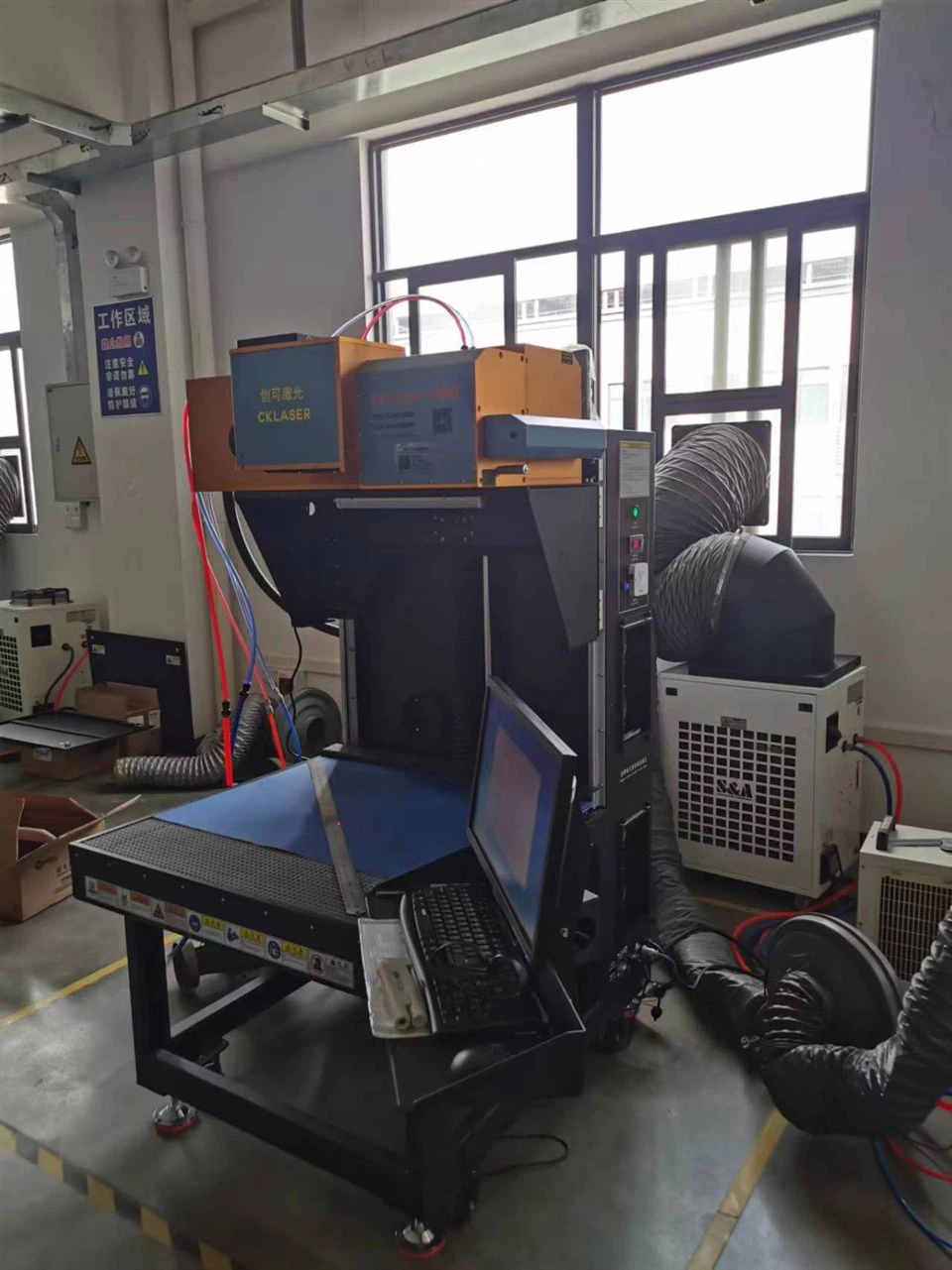

Our Co2 Laser Engraving Machine is a versatile option that can handle a variety of materials, including bamboo. It offers precise control over the engraving process, allowing you to create high - quality engravings.
For those who need to engrave on heat transfer vinyl as well as bamboo, our CKLASER Laser Marking Machine For Heat Transfer Vinly Engraving and Cutting is a great choice. It combines the functionality of engraving and cutting, making it a multi - purpose tool for your business.
Contact Us for Purchase and Consultation
If you're interested in purchasing a CO2 laser engraver for engraving on bamboo or have any questions about our products, we'd love to hear from you. Our team of experts can provide you with detailed information about our machines, help you choose the right one for your needs, and offer support throughout the purchasing process.
References
- "Laser Material Processing" by John C. Ion.
- "CO2 Laser Technology and Applications" by various industry experts.