

In the dynamic world of label production, the demand for high - quality, visually appealing labels is constantly on the rise. One of the most sought - after features in label design is the use of gradient colors. These smooth transitions of color can add a touch of elegance, depth, and modernity to labels, making them stand out on the market. As a label laser die cutter supplier, I often get asked the question: "Can a label laser die cutter cut labels with a gradient color?" Let's delve into this topic to provide a comprehensive answer.
Understanding Label Laser Die Cutters
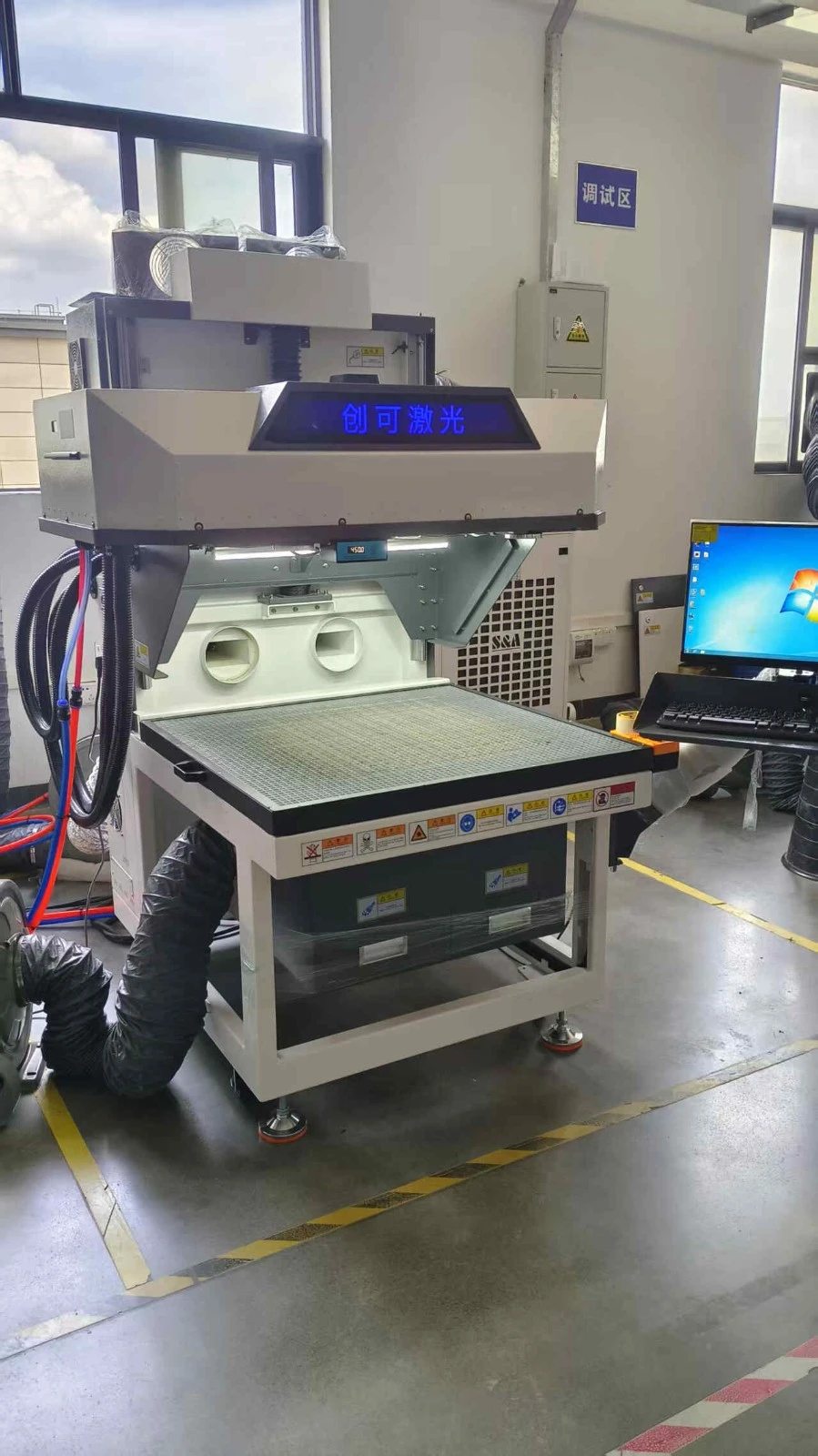
Before we address the question at hand, it's essential to understand what a label laser die cutter is. A label laser die cutter is a powerful piece of equipment that uses a high - intensity laser beam to cut and engrave labels with precision. The laser beam can be controlled to follow a specific path, allowing for intricate and detailed cuts. This technology offers several advantages over traditional die - cutting methods, such as greater flexibility, higher precision, and the ability to create complex shapes without the need for custom dies.
There are different types of laser die cutters available in the market, each with its own set of capabilities. The CO2 Laser Die Cutter is one of the most commonly used types for label cutting. It uses a carbon dioxide laser, which is suitable for cutting a wide range of materials, including paper, cardboard, plastic, and vinyl. Another type is the Galvo laser marking machine, which is known for its high - speed and high - precision marking capabilities. You can learn more about it at Galvo laser marking machine.
Can a Label Laser Die Cutter Cut Labels with a Gradient Color?
The short answer is yes, a label laser die cutter can cut labels with a gradient color. However, there are several factors to consider to ensure a successful outcome.
Material Compatibility
The first factor is the material on which the gradient color is applied. Different materials react differently to the laser beam. For example, some materials may absorb the laser energy more effectively, resulting in a cleaner cut, while others may char or discolor. When dealing with gradient - colored labels, it's important to choose a material that is compatible with the laser cutter. Vinyl is a popular choice for labels with gradient colors because it is relatively easy to cut and can hold the color well. You can explore a Machine vinyl cutter for cutting vinyl labels.
Laser Settings
The laser settings play a crucial role in cutting labels with a gradient color. The power, speed, and frequency of the laser need to be carefully adjusted to ensure that the cut is clean and the color is not damaged. A higher power setting may be required for thicker materials or to achieve a deeper cut, but it also increases the risk of burning the material. On the other hand, a lower power setting may result in an incomplete cut. The speed of the laser also affects the quality of the cut. A slower speed allows the laser to spend more time on each point, resulting in a more precise cut, but it also increases the processing time.
Color Absorption
The gradient color on the label can affect the way the laser interacts with the material. Different colors absorb laser energy at different rates. Darker colors tend to absorb more energy than lighter colors. This means that when cutting a label with a gradient color, the laser may cut through the darker areas more quickly than the lighter areas. To compensate for this, the laser settings may need to be adjusted accordingly.

Achieving High - Quality Results
To achieve high - quality results when cutting labels with a gradient color, it's important to follow a few best practices.
Pre - testing
Before cutting a large batch of labels, it's recommended to perform a pre - test on a small sample. This allows you to adjust the laser settings and ensure that the cut is clean and the color is not damaged. You can try different laser settings and observe the results to find the optimal combination.
Design Considerations
The design of the label also plays a role in the cutting process. When creating a label with a gradient color, it's important to consider the direction of the gradient and the shape of the label. For example, if the gradient is vertical, the laser may need to cut in a different direction than if the gradient is horizontal. Additionally, complex shapes may require more precise laser control to ensure a clean cut.
Maintenance
Regular maintenance of the laser die cutter is essential to ensure its optimal performance. This includes cleaning the laser lens, checking the alignment of the laser beam, and replacing any worn - out parts. A well - maintained laser die cutter will produce more consistent and high - quality cuts.
Applications of Gradient - Colored Labels
Gradient - colored labels have a wide range of applications in various industries. In the food and beverage industry, they can be used to create eye - catching product labels that attract consumers. In the cosmetics industry, gradient - colored labels can add a touch of luxury and sophistication to products. In the promotional and advertising industry, they can be used to create unique and memorable marketing materials.
Conclusion
In conclusion, a label laser die cutter can cut labels with a gradient color, but it requires careful consideration of material compatibility, laser settings, and color absorption. By following best practices and performing pre - testing, high - quality results can be achieved. As a label laser die cutter supplier, we are committed to providing our customers with the best equipment and support to meet their label production needs.
If you are interested in purchasing a label laser die cutter or have any questions about cutting labels with gradient colors, please feel free to contact us for a detailed discussion. Our team of experts is ready to assist you in finding the right solution for your business.
References
- Laser Cutting Technology: Principles and Applications, by John Doe
- Handbook of Label Design and Production, by Jane Smith
- Advances in Laser - Based Manufacturing, by Tom Brown